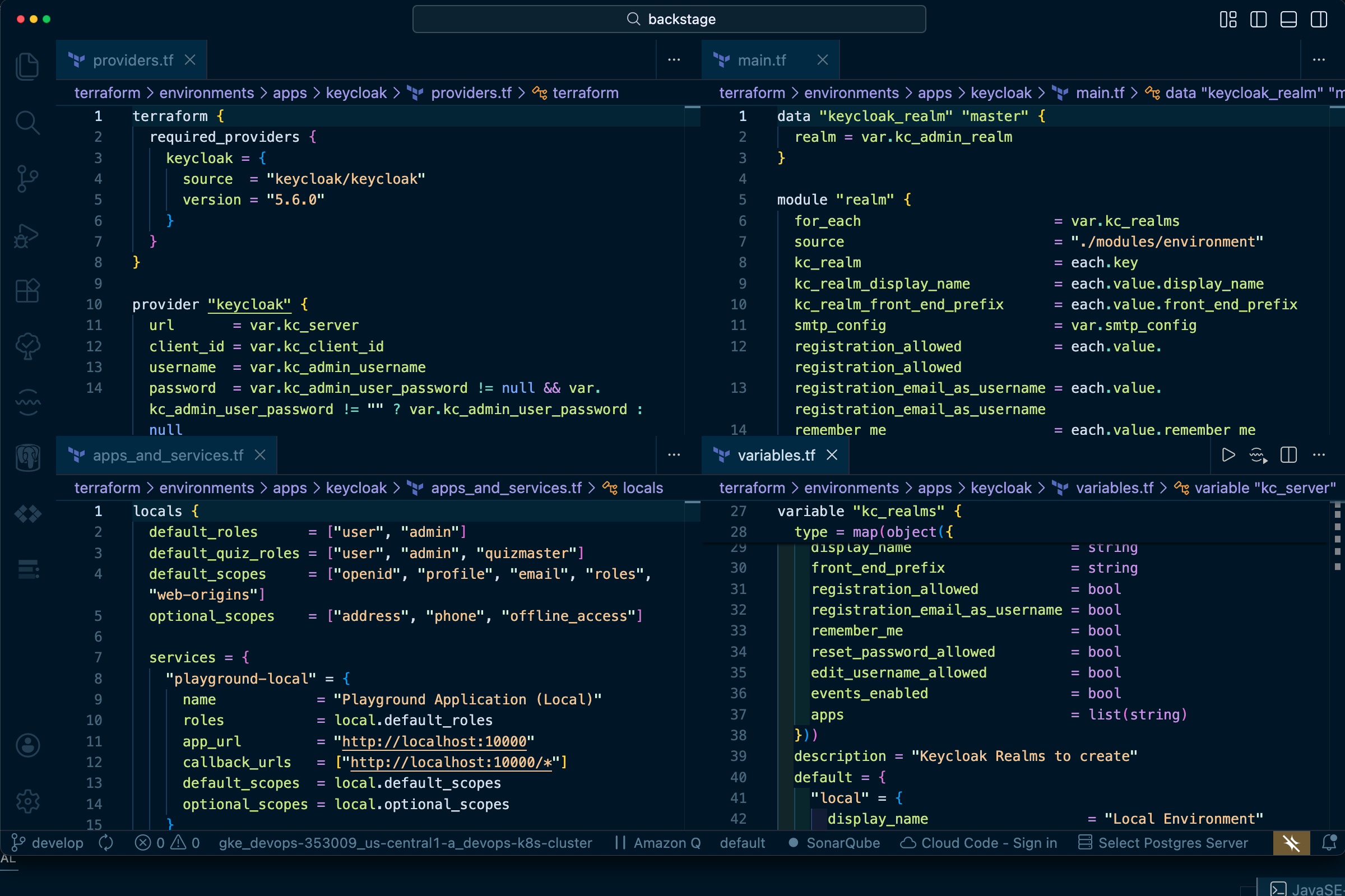
How to manage Keycloak at scale using Terraform : from realms and SMTP configuration to OIDC clients and secrets, this blog explores GitOps-driven approaches for secure, automated identity infrastructure across multi-service and multi-environment deployments.
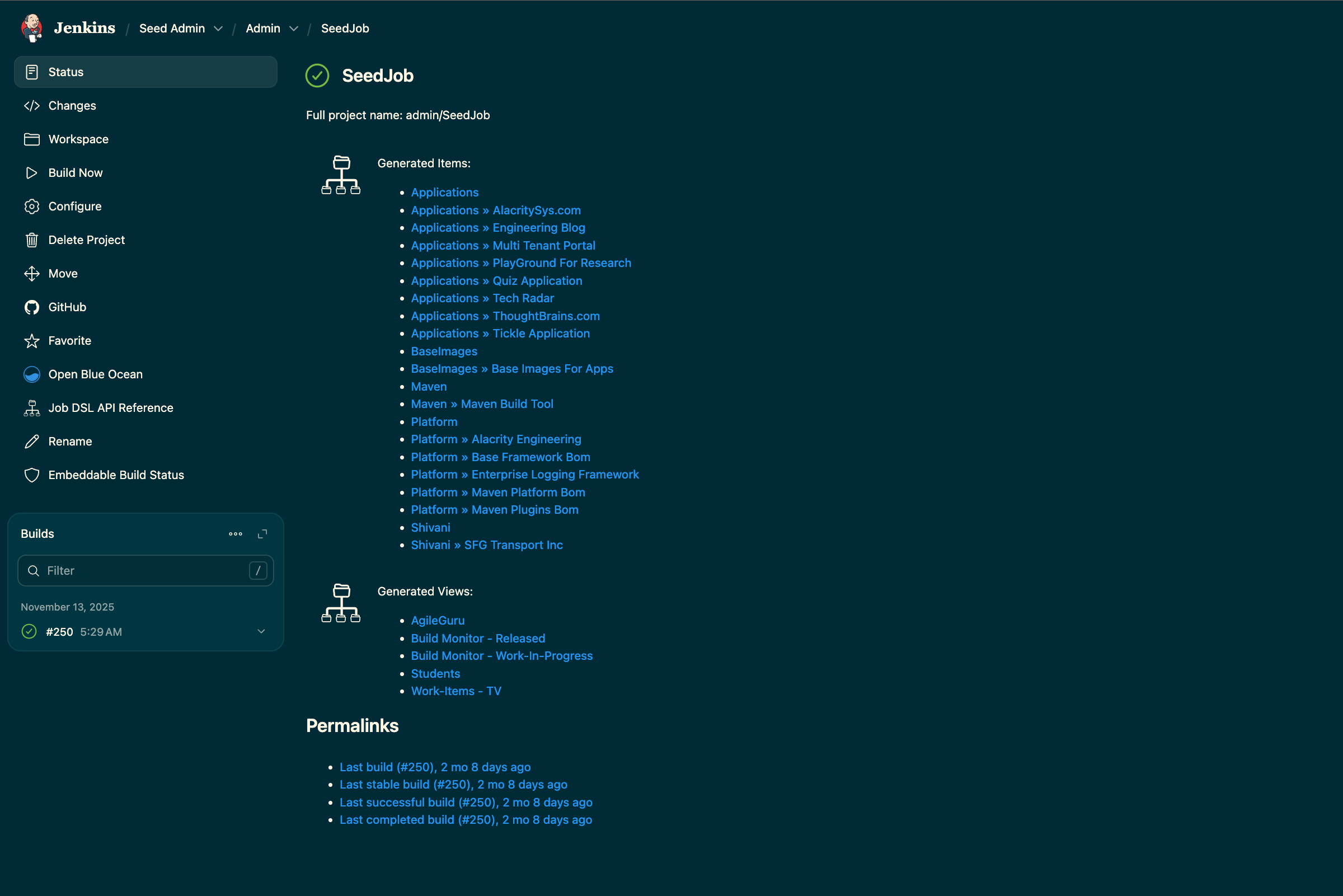
Manually creating Jenkins jobs is an error-prone, non-scalable task. By using simple plugins and Groovy code stored in Git, you can achieve a scalable project onboarding process that is quick, scalable, and DR-friendly, all tracked in your favorite Git repository.
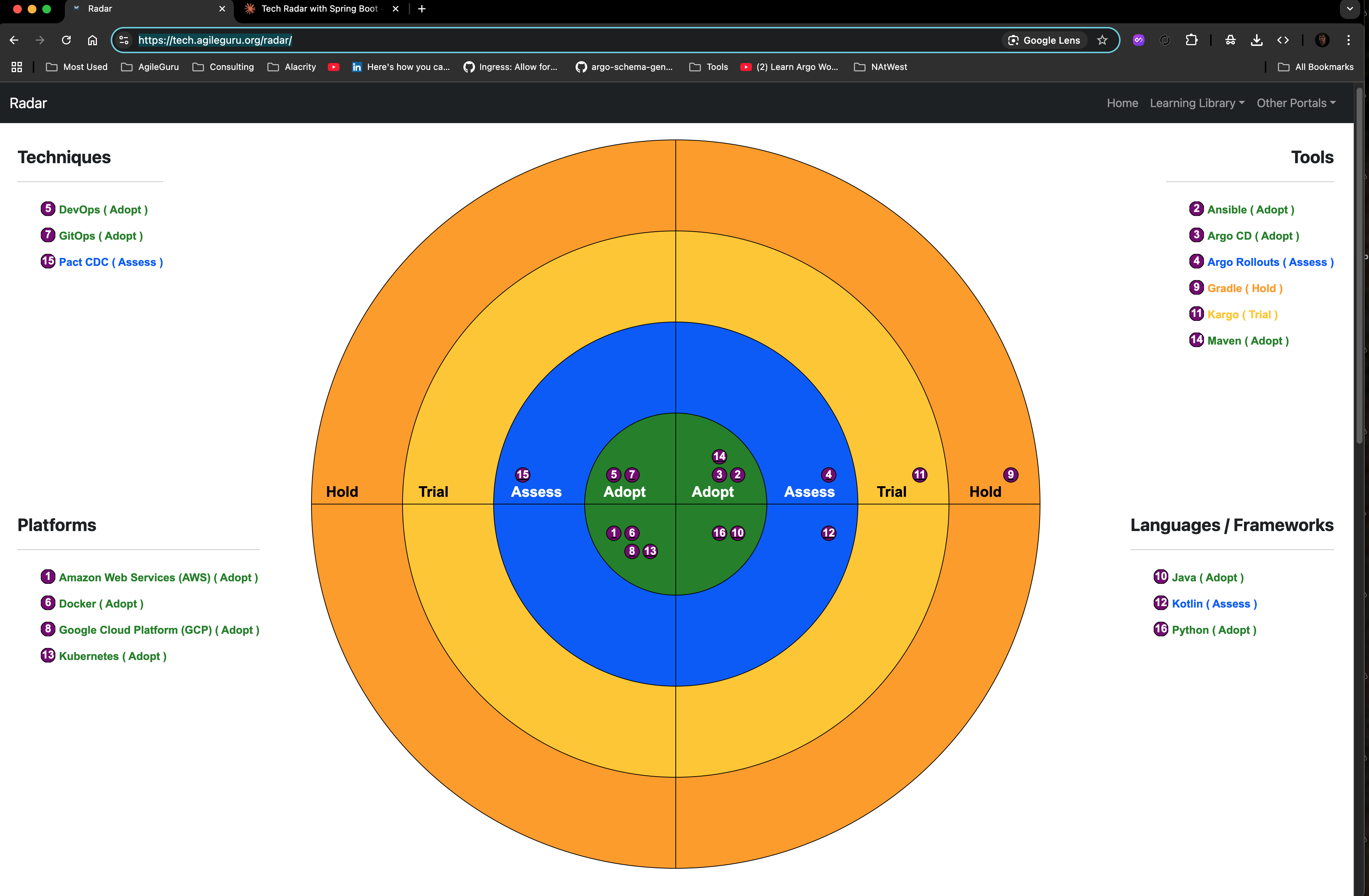
A Tech Radar is a visual and strategic tool that helps organizations make informed decisions about technology adoption. It provides a systematic way to assess, track, and communicate the status of technologies, tools, platforms, languages, and frameworks within your organization.
Favoritism in the workplace is like a slow poison. It may not kill productivity immediately, but it gradually erodes the foundation of trust, fairness, and collaboration that high-performing teams depend on.
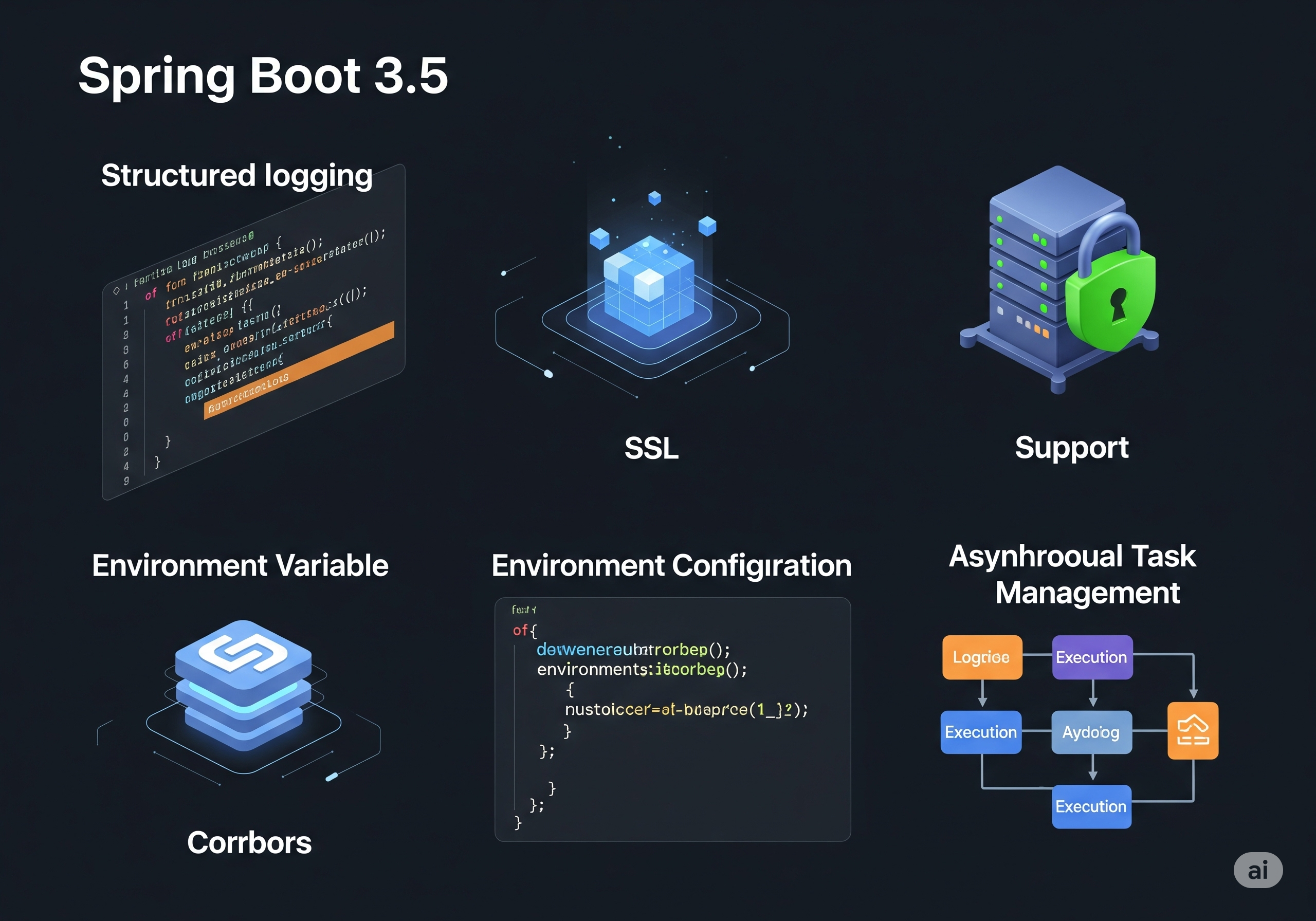
Spring Boot 3.5 (May 22, 2025) brings a host of exciting new features and improvements that promise to enhance developer productivity, application performance, and overall system observability.
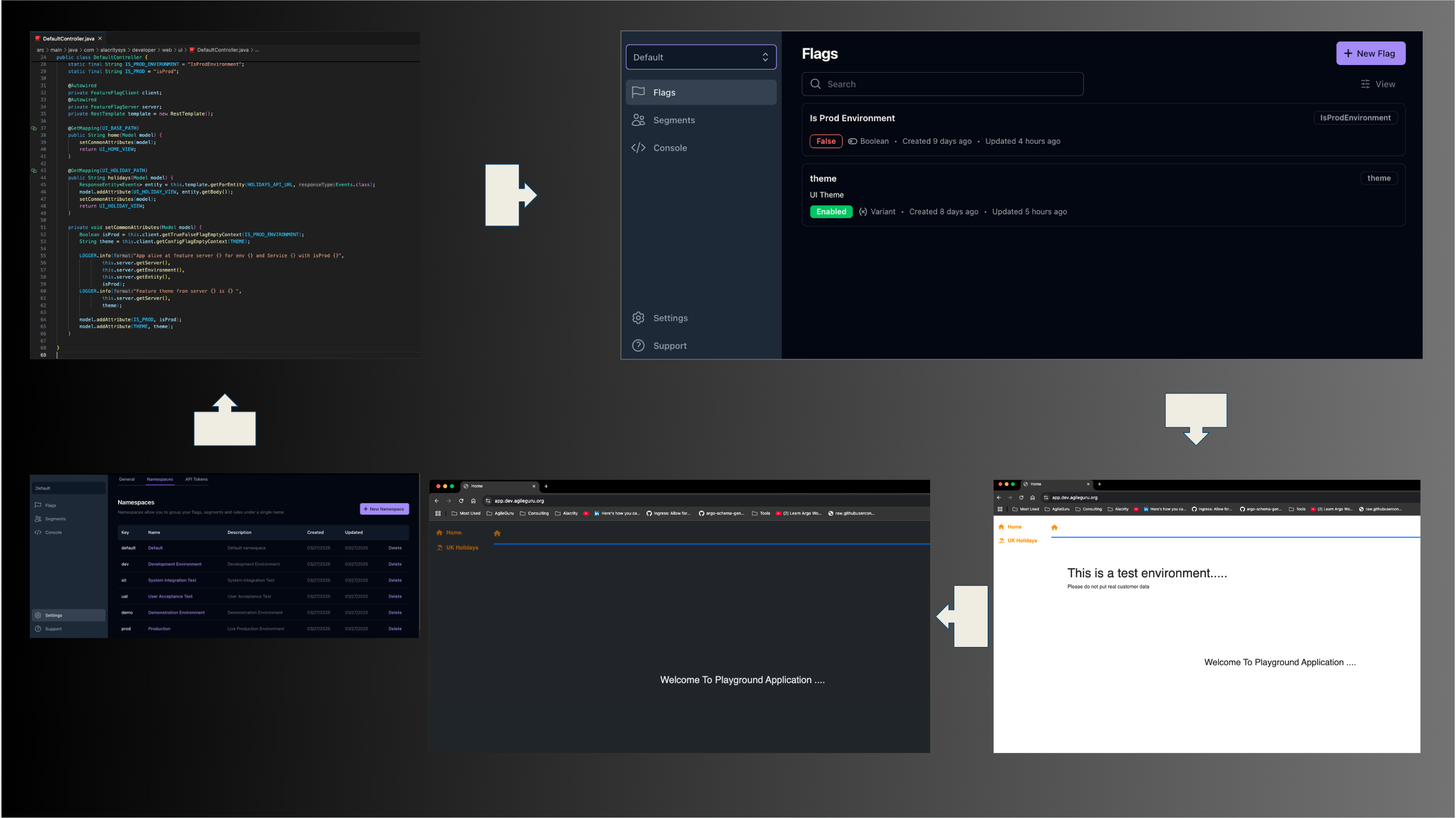
Feature Flags (Feature Toggles) can transform your software delivery! This article shows you how to ship features faster, test in production, and fix issues instantly – all without redeploying your app / service whilst being managed centrally.
Managing GKE (k8s) clusters and applications inside them has become a never ending battle. Managing apps and configuration accurately has become cumbersome. This has become more common given the rise of micro-services and event-driven services.
Java service Development involving test, SAST (Sonar), Containerisation, Versioning can become complicated. Creating multiple steps with Environment variables, CI specific plugins and DockerFile is time wasted. With maven plug-ins you can automate it saving lot of effort.
In today's interconnected businessess, private and internal networks play a vital role in optimizing organizational performance. These dedicated networks offer significant advantages in three critical areas: speed, cost-effectiveness, and security.
Setting up a simple disaster recovery (DR) mechanism for Jenkins running in Google Kubernetes Engine (GKE) using Google Cloud Storage (GCS) buckets and FUSE persistent volumes.
Workload Identity represents a modern, security-focused approach to managing authentication between services and workloads. This powerful feature eliminates the need for managing static credentials, enhancing your cloud security posture.
With cloud providing unlimited resources, we may end up with a huge bill if not careful. A good approach is to start very small and expand slowly based on metrics rather than upfront provisioning. You can use tools like terraform, GKEs, grafana for this purpose.